


Why Does Everything Feel Like My Responsibility?
Do you ever feel like it's your job to keep everyone happy, solve every problem, or make sure nothing goes wrong? This blog explores where that sense of responsibility comes from, why it often begins long before adulthood, and how healing doesn't mean caring less. It means learning you were never meant to carry it all alone.

Grieving the Parent You Never Had
We often associate grief with death, but some of life's deepest losses never come with a funeral. This article explores the experience of grieving the emotionally unavailable parent you needed but never truly had, and why naming that grief can be the beginning of healing.
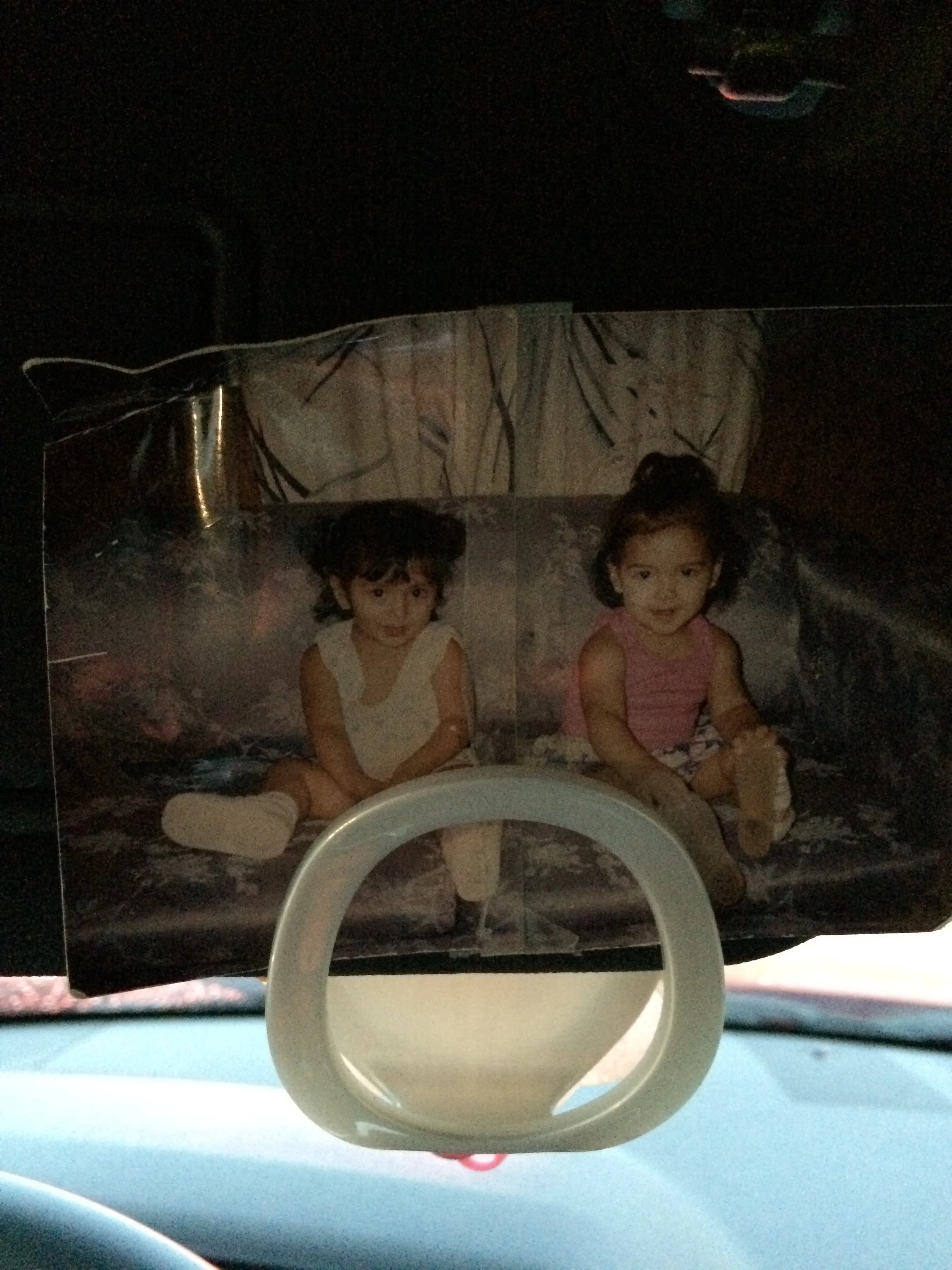
The Good Daughter Trap: When Being Good Comes at the Expense of Yourself
She's the one everyone turns to. The strong one. The responsible one. The one who rarely says no and almost never asks for help. But what happens when being "good" becomes synonymous with self-sacrifice? In this post, we explore how cultural expectations, family roles, and trauma can shape the "good daughter" identity and what healing looks like when your needs are finally allowed in the room too.
Stop Arguing With Your Own Emotions
Have you ever noticed how quickly you start explaining your emotions?
"I'm angry, but..."
"I'm hurt, but..."
"I'm annoyed, but I know they didn't mean it..."
Somewhere along the way, many of us learned that before we're allowed to feel something, we have to justify it. We build a case, gather evidence, and seek permission to experience what we're already feeling. But emotions were never meant to be debated into existence. They are information, not verdicts. In this post, we'll explore why emotional validation matters, how trauma and emotional invalidation teach us to distrust ourselves, and why not every feeling needs a defense attorney.
The Version of You That Kept You Safe Isn't The Problem
The people-pleaser. The perfectionist. The overachiever. The strong one.
What if the traits you're trying so hard to get rid of aren't character flaws at all? What if they were adaptations that helped you survive difficult experiences, maintain connection, or create a sense of safety? This article explores why insight alone doesn't always lead to change and how old survival strategies can continue showing up long after the danger has passed.
Why Does Taking Care of Yourself Feel So Wrong?
Do you feel guilty when you take time for yourself? Many women struggle with self-care guilt, burnout, and people-pleasing without realizing how family roles, cultural expectations, and lifelong patterns may be influencing them. Learn why taking care of yourself can feel so uncomfortable—and why that doesn't mean you're doing it wrong.

Reflective Photography in Therapy: Beyond the Social Media Highlight Reel
Social media often shows polished highlights while hiding the emotional realities underneath. In this blog, I explore the emotional difference between curated images and emotionally meaningful photography, and how reflective photography in therapy can support authenticity, trauma processing, identity exploration, and self-connection.
EMDR Isn’t Magic, It’s a Process (and That’s the Point)
EMDR is often described as either mysterious or miraculous, but it’s neither. This post offers a grounded look at what EMDR therapy actually is, what it can feel like, and how it helps the nervous system process past experiences without rushing or oversimplifying.
January Is Not a Personality Test
January isn’t a reset button, consider it a re-entry. If you’re feeling flat, unmotivated, or weirdly behind, nothing is wrong with you. Your nervous system is adjusting after a season of disruption, and it deserves support, not pressure. This post breaks down why January feels harder than expected and how to move through it without fixing, forcing, or shaming yourself.
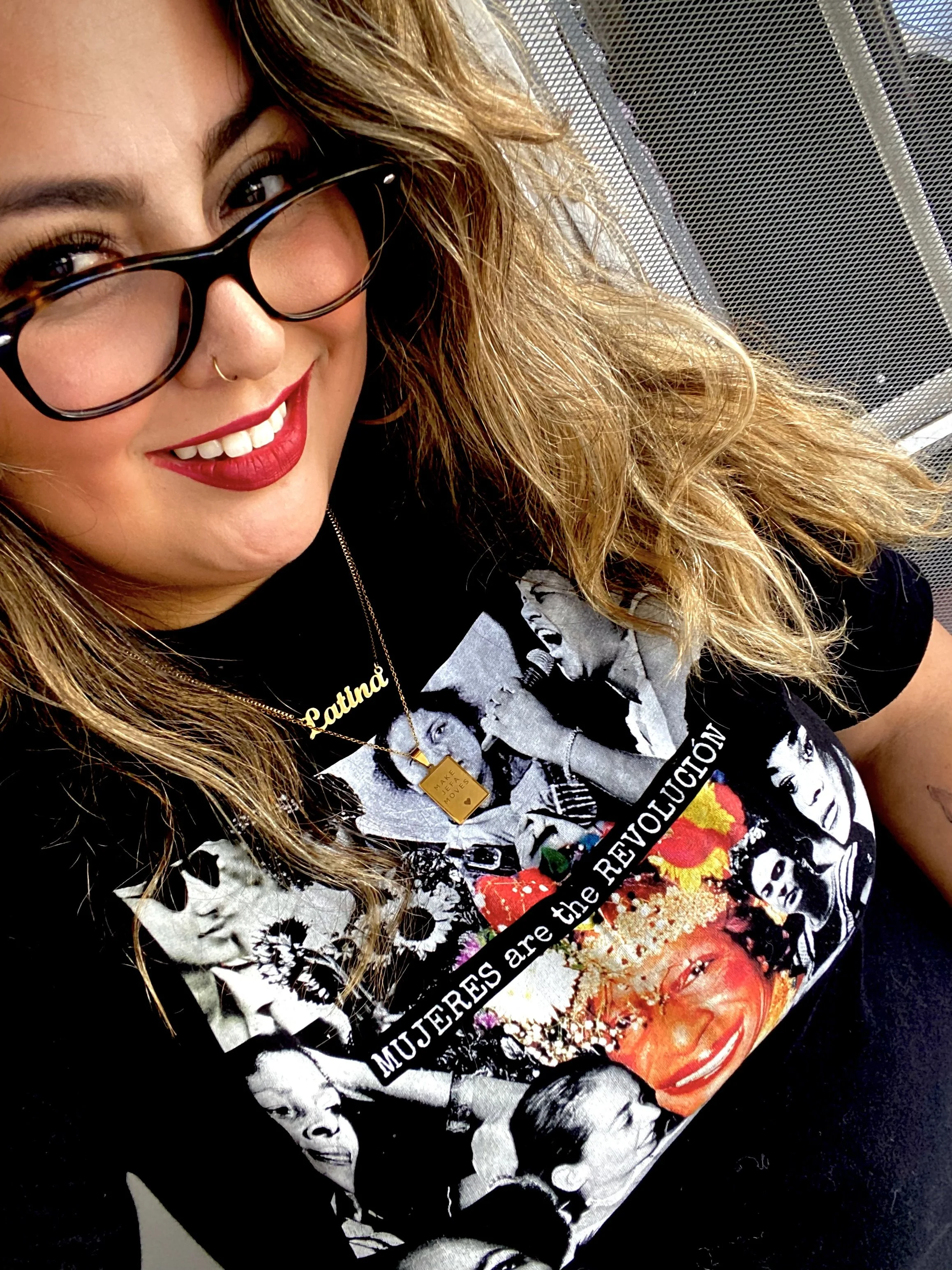
Growing Up Mexican American: The Bicultural Experience So Many Have An Opinion About… so here’s one more.
Bicultural life comes with pride, confusion, humor, and a whole lot of contradictions. This is a Latina’s honest take on growing up between two cultures and how the pressure to be “more Mexican” and “more American” (IYKYK) shaped her mental health and healing.